

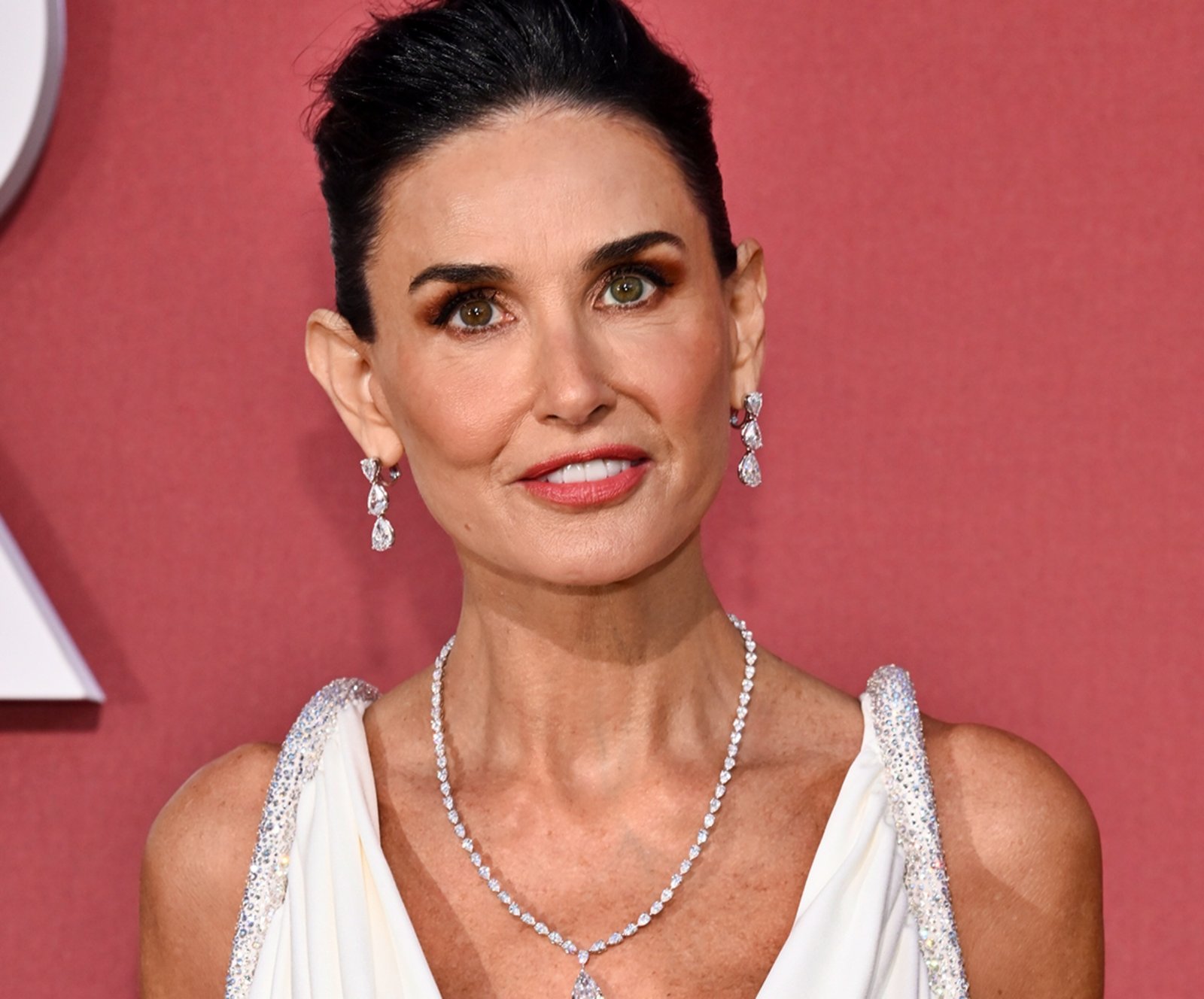
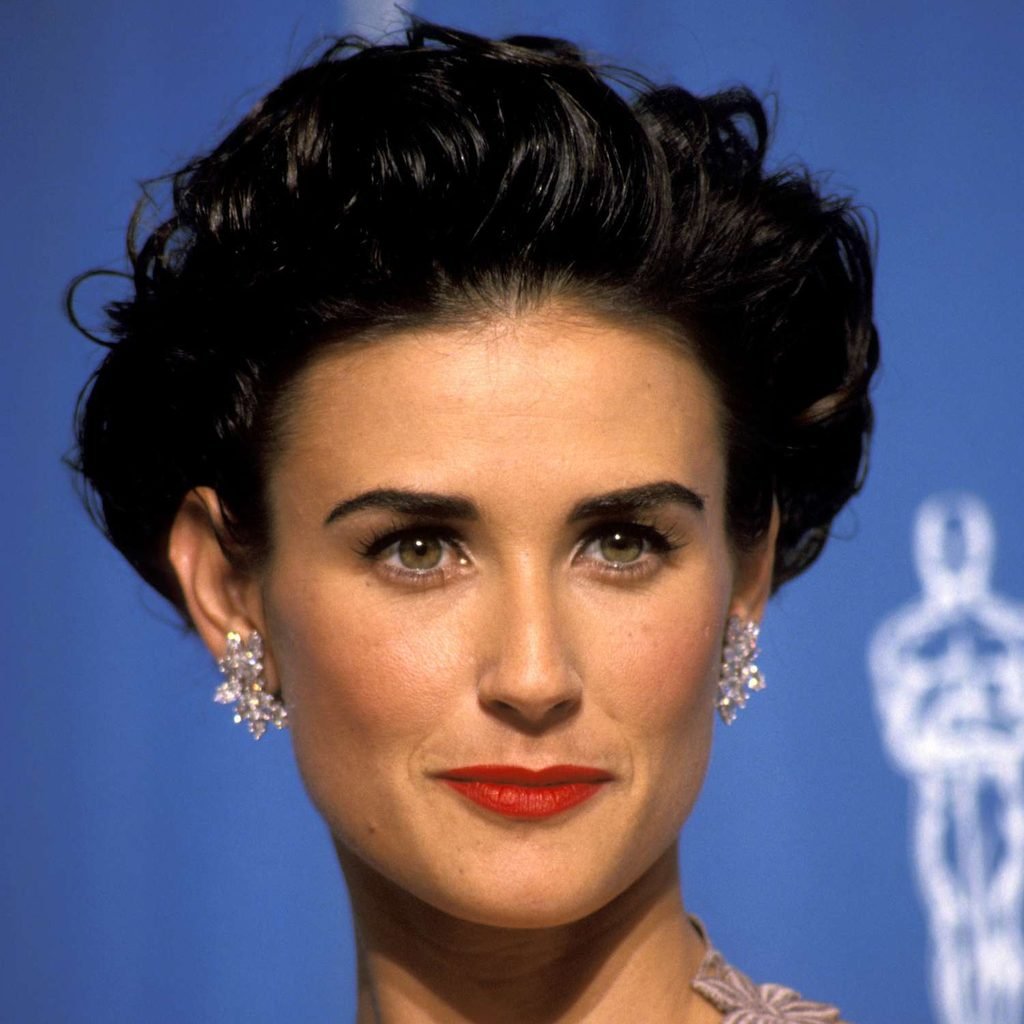
For years, Demi Moore seemed to belong to a different version of Hollywood.
She was the woman whose name could sell a movie. The actress whose face appeared on magazine covers, whose relationships became headline news, and whose career seemed to move at a speed few stars could match.
Then, gradually, the spotlight changed.
The roles became less frequent. The headlines became louder than the movies. Hollywood moved on to a new generation of stars, and Moore found herself navigating an industry that had once made her one of its biggest names.
But there was something Hollywood had apparently forgotten.
Demi Moore wasn’t finished.
The Girl Who Learned to Keep Going
Demi Moore was born in Roswell, New Mexico, in 1962 and eventually made her way into acting, building early momentum with films including St. Elmo’s Fire and About Last Night.
Her breakthrough wasn’t the kind that happened overnight.
It came piece by piece.
She kept taking roles, building recognition and becoming part of a generation of young Hollywood actors who would dominate the screen during the 1980s.
Then came Ghost.
Suddenly, Moore wasn’t simply another rising actress. She was becoming a star whose name could carry enormous weight.
The film became one of the defining successes of her early career, and her performance helped establish her as one of Hollywood’s most recognizable leading women.
Hollywood had noticed her.
And Moore was only getting started.
When Demi Moore Became One of Hollywood’s Biggest Stars
The 1990s changed everything.
Moore appeared in major productions including A Few Good Men, Indecent Proposal, Disclosure, The Scarlet Letter and G.I. Jane.
But fame came with another price.
Her personal life was being watched almost as closely as her career.
Her marriages and relationships became part of the entertainment conversation, and the actress who had once been celebrated primarily for her movies increasingly found herself surrounded by attention about her private life.
That is one of the strange things about becoming famous.
At first, people want to know your work.
Then they want to know everything else.
Moore experienced that transformation firsthand.
The Moment Hollywood Started Looking Somewhere Else
Every major star eventually faces the same uncomfortable reality: Hollywood keeps moving.
New faces arrive.
New stories become fashionable.
The industry changes.
And suddenly, the actress who once seemed impossible to ignore isn’t appearing on every screen anymore.
Moore continued working, taking on different kinds of projects and appearing in films such as Charlie’s Angels: Full Throttle, Bobby, Mr. Brooks and Margin Call.
But the cultural conversation around her had changed.
For someone who had spent years at the center of Hollywood, that kind of silence can feel louder than criticism.
And then came another chapter.
Demi Moore Stopped Chasing Hollywood’s Approval
What makes Moore’s later career particularly interesting isn’t simply that she kept acting.
It’s that she increasingly seemed willing to step outside the version of herself Hollywood had created.
She wasn’t trying to recreate the 1990s.
She wasn’t trying to prove she could still be the same star she had been decades earlier.
Instead, she began taking roles that allowed audiences to see something different.
That eventually led her to The Substance.
And this time, the role was anything but safe.
Then Came The Substance
In Coralie Fargeat’s The Substance, Moore plays Elizabeth Sparkle, a fading celebrity confronted with the brutal pressures surrounding youth, beauty and relevance.
It was an unusual choice.
And perhaps that’s exactly why it worked.
The role gave Moore an opportunity to confront subjects that had followed her throughout her career: aging, beauty, fame, expectations and the uncomfortable way Hollywood treats women as they get older.
Suddenly, the conversation wasn’t about whether Demi Moore still belonged in Hollywood.
People were asking something completely different:
Why hadn’t Hollywood given her a role like this sooner?
The Comeback Became Bigger Than Anyone Expected
The reaction to The Substance transformed Moore’s career conversation.
She went on to win a Golden Globe for her performance, marking a major career moment.
The moment carried extra weight because Moore had spent so much of her career being judged by the machinery of Hollywood.
During her acceptance speech, she reflected on being dismissed earlier in her career as a “popcorn actress.”
That old label suddenly looked very different.
The actress who had once been underestimated was standing onstage accepting one of the biggest awards of her career.
And the story didn’t end there.
From Golden Globe Winner to Oscar Nominee
The momentum continued.
Moore received her first Academy Award nomination for Actress in a Leading Role for The Substance.
She didn’t win, but by then, something arguably more important had already happened.
The industry was looking at Demi Moore differently.
Not as a former superstar.
Not as a nostalgic name from another era.
But as an actress capable of delivering one of the most talked-about performances of her career decades after her initial rise to fame.
The Part of Demi Moore’s Story People Often Miss
It’s tempting to describe Moore’s career as a simple rise, fall and comeback.
But real lives rarely work that neatly.
There wasn’t one moment when Demi Moore disappeared.
There wasn’t one magical day when Hollywood suddenly rediscovered her.
There were years of work, changes in the industry, personal challenges, career decisions and periods when the public’s attention moved elsewhere.
That’s what makes her story more interesting.
She didn’t become relevant again because the past returned.
She became relevant because she found a new way to move forward.
So, Where Is Demi Moore Now?
Today, Moore’s career looks very different from the one she built in the 1980s and 1990s.
She has already shown that her most interesting chapter may not have been the one when she was the biggest star in Hollywood.
It may be the chapter that came afterward.
The chapter where expectations became less important.
The chapter where she could take risks.
And the chapter where a role in an unconventional film reminded audiences why they had been watching her in the first place.
Demi Moore spent decades learning what it meant to be famous.
Then she spent years learning what it meant to be underestimated.
Now, after her Golden Globe win and Oscar nomination for The Substance, her story carries a different message.
Sometimes the comeback isn’t about becoming the person you used to be.
It’s about finally becoming the person Hollywood never expected you to be.